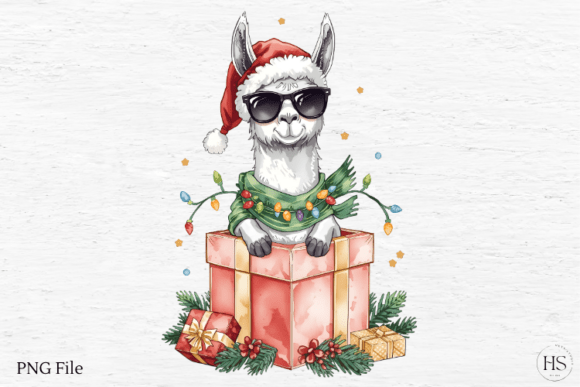
Christmas Llama Review: Watercolor Embroidery Design
As a designer who spends more time staring at stitch density charts and fabric swatches than actually sleeping, I approach every new embroidery file with a healthy dose of skepticism. The market is flooded with generic clip art that looks disastrous once translated into thread. However, when I first pulled up the Christmas Llama, Watercolor Funny Llama design, my interest was genuinely piqued. It sits right at that sweet spot between whimsical character work and practical holiday merchandise.
This isn't just another static image; it’s an machine embroidery design that requires careful consideration of how watercolor aesthetics translate into tangible stitches. Below is my honest breakdown of how this design performs in real-world scenarios, from custom custom apparel to high-volume Etsy seller listings.
The First Impression: Mood and Visual Personality
The moment you look at the digital preview, the "watercolor" style stands out. In the world of digital embroidery file assets, true watercolor effects are rare because thread cannot blend colors the way ink does on paper. This design cleverly uses color blocking and varied thread colors to simulate that soft, painted look without relying on overly complex gradients that might confuse the machine or the eye.
The mood is undeniably festive but lighthearted. It avoids the cliché of traditional, stiff Christmas iconography. Instead, it offers a playful energy that resonates well with modern branding. For small business owners looking to differentiate their craft business inventory, this personality shift is valuable. It feels like a design that belongs on a cozy winter morning, which immediately suggests specific use cases: holiday gifts, nursery decor, and casual wear.
Real-World Application: Where This Design Shines
I tested the concept of this design across several typical product categories to see where it fits best. Here is where Christmas Llama, Watercolor Funny Llama truly excels:
- Holiday Apparel: On a heather grey sweatshirt or a cream-colored t-shirt, the design pops without overwhelming the garment. The watercolor palette complements soft, muted fabrics perfectly, making it ideal for sweatshirt embroidery collections.
- Baby Items: The gentle curves and funny expression make this a top-tier choice for baby onesies, burp cloths, and nursery wall hangings. Parents love personalized gifts that feel modern yet sentimental.
- Home Decor: When applied to kitchen towels or pillow covers, the design adds a touch of humor to domestic spaces. It works beautifully as a standalone graphic or paired with simple script text.
- Accessories: A tote bag design featuring this llama is instant social media bait. The contrast against canvas or denim makes the colors stand out, appealing to shoppers looking for unique handmade product options.
In these contexts, the design elevates the perceived value of the item. It doesn’t look like a cheap transfer; it looks like a curated piece of art. This distinction is crucial for commercial embroidery professionals who need to justify premium pricing.
Technical Performance and Stitch Analysis
From a technical standpoint, the execution of this embroidery project relies heavily on the balance between detail and durability. The design appears to utilize a mix of fill stitch for the main body of the llama and likely some satin stitch or running stitch accents for facial features and holiday elements like hats or scarves.
The stitch density seems moderate, which is a huge plus. High-density designs can become stiff and uncomfortable, especially on children’s clothing or flexible fabrics. If this design maintains a balanced density, it will drape naturally on garments and retain its shape after washing. However, designers must always verify the specific digitization. Poorly executed fill stitches can cause puckering, while too much running stitch in delicate areas might not hold up over time.
One critical aspect is the handling of the "watercolor" edges. In embroidery, hard edges can sometimes look jagged. A good digitizer will use slight overlaps or varied thread directions to soften these transitions. If the design achieves this, it will look professional even on smaller hoops. If the edges are too sharp, it may lose that artistic charm.
Critical Considerations and Potential Pitfalls
While I am optimistic about this design, no embroidery design is universally perfect. There are specific scenarios where Christmas Llama, Watercolor Funny Llama might struggle, and savvy makers need to be aware of these limitations.
- Fabric Texture: Avoid using this on highly textured fabrics like heavy boucle or thick sherpa. The fine details of the watercolor style will get lost in the weave. Stick to smooth cottons, polyesters, or blends.
- Small Hoop Sizes: If you plan to scale this down significantly (e.g., under 3 inches), inspect the small details closely. Tiny eyes or intricate hat patterns may merge into a blob if the resolution isn't high enough. Always test at the final production size.
- Dark Fabrics: While the design likely includes light threads for the watercolor effect, ensure there is enough contrast against dark backgrounds. On black fabric, lighter pastel threads might lack visibility unless a high-quality white underlay is used.
- Stretchy Materials: Be cautious with stretchy knits or spandex blends. Without proper stabilizer support, the fill stitch can distort the fabric, ruining the clean lines of the llama’s shape.
For curved surfaces like caps or fitted hats, the flat nature of the design might require additional digitizing adjustments to wrap properly around the curve. Standard flat designs often look distorted on rounded objects.
Practical Tips for Embroidery Designers
To ensure your finished product meets professional standards, follow these steps before running large batches:
- Test on Scrap Fabric: Never trust a screen preview alone. Stitch the design on the actual fabric you intend to sell. This reveals how the thread colors interact with the material’s sheen and texture.
- Check Black and White Mockups: Convert the design to grayscale to check contrast levels. If the details disappear in monochrome, they might struggle in color on certain backgrounds.
- Use Proper Stabilizer: Depending on the fabric weight, choose the correct tear-away or cut-away stabilizer. This prevents shifting and ensures the stitch density remains consistent.
- Review Licensing: Before listing this as a small shop product or selling finished items, double-check the commercial use rights. Some Illustrations come with restrictions on how many units you can produce.
- Create Printable Mockups: Use the design to create high-quality printable mockup images for your online store. Showing the design on different products helps customers visualize the finished product.
Final Verdict
Christmas Llama, Watercolor Funny Llama is a strong contender for anyone looking to add a touch of whimsy to their holiday collection. It bridges the gap between cute and sophisticated, making it versatile enough for personalized gift markets and broader commercial embroidery opportunities. Its visual appeal is high, and if digitized correctly, it should perform well across a variety of textiles.
For Etsy sellers and creative entrepreneurs, this design offers a low-risk, high-reward opportunity. It’s distinct enough to stand out in a crowded feed but familiar enough to appeal to a wide audience. Just remember: the success of any embroidery project lies in the preparation. Test thoroughly, choose your fabrics wisely, and let the quality of your stitching speak for itself.