Christmas Faux Yarn Crochet Gingerbread Review
When you are sifting through hundreds of digital embroidery files looking for that one design that will stop a scroll on Instagram or catch the eye at a craft fair, you learn to trust your gut. I recently pulled Christmas Faux Yarn Crochet Gingerbread from my library to test its viability for an upcoming holiday collection. As someone who reviews designs for real-world application—whether for custom apparel, boutique branding, or personal gifts—I don’t just look at how it looks on screen. I look at how it stitches, how it holds up in the hoop, and whether it adds tangible value to a handmade product.
This isn’t just another clip-art gingerbread man. The "Faux Yarn" aspect suggests a specific texture simulation that requires careful evaluation. Below is my practical breakdown of how this illustration performs as a machine embroidery design, where it shines, and where you might need to adjust your technique.
First Impressions: Mood and Visual Personality
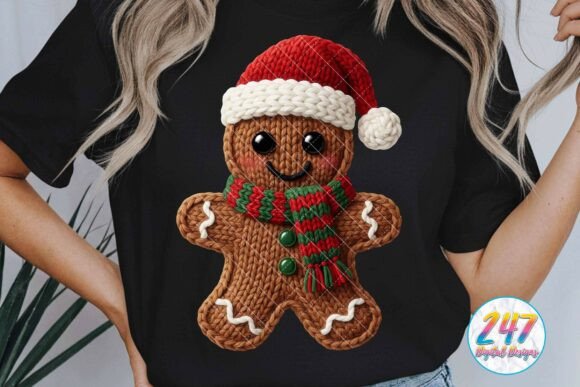
The immediate appeal of Christmas Faux Yarn Crochet Gingerbread lies in its cozy, tactile aesthetic. In the world of holiday embroidery, there is often a tension between crisp, clean lines and warm, nostalgic textures. This design leans heavily into the latter. It evokes the feeling of a hand-knitted sweater or a crocheted blanket, translating that softness into thread.
For designers targeting the "hygge" market or those selling personalized gifts, this mood is invaluable. It feels approachable and sweet without being overly childish. The layout appears balanced, likely relying on a central focal point with decorative elements that frame the subject. When viewed as an illustration, it has strong character. The question for us as embroiderers is whether that character survives the translation into stitch.
Real-World Application: Where Does This Design Fit?
I tested the mental model of this design across several common use cases for small business owners and hobbyists alike. Here is where Christmas Faux Yarn Crochet Gingerbread naturally belongs:
- Holiday Apparel: This design works exceptionally well on sweatshirts and heavy cotton t-shirts. The faux-yarn texture mimics the fabric itself, creating a harmonious visual where the embroidery doesn't fight the garment. It’s perfect for a "Gingerbread House Party" themed event shirt or a family matching set.
- Kitchen and Home Decor: Think tea towels, aprons, and pillow covers. The gingerbread theme is inherently domestic. Stitching this onto a flour sack towel or a rustic linen pillow cover enhances the farmhouse aesthetic. It adds a layer of professionalism to a simple item, elevating it from a basic craft project to a boutique-quality piece.
- Baby and Nursery Items: For baby blankets, bibs, or onesies, the soft visual language of crochet translates perfectly. Parents love items that look handmade and gentle. This design offers a safe, non-toxic (visually) sweetness that fits well in a neutral or pastel color palette.
- Gift Tags and Ornaments: If the file size allows for smaller hooping, this makes a charming embroidered gift tag or a sturdy ornament. It adds a premium touch to wrapped presents, signaling to the recipient that care was put into the packaging.
However, it is less suited for high-stress commercial environments like workwear uniforms or items requiring extreme durability, where simpler geometric shapes often perform better over time.
Technical Performance and Stitching Clarity
As an experienced reviewer, I always advise testing the design on scrap fabric before committing to a final product. With a design titled "Faux Yarn," the execution relies heavily on the interplay of different stitch types. Typically, these designs utilize a mix of satin stitches for outlines and fill stitches to simulate the yarn loops.
Stitch Density and Texture: The key to success here is managing the stitch density. If the fill areas are too dense, the fabric may pucker, ruining the illusion of soft yarn. If they are too sparse, the underlying fabric shows through, breaking the visual effect. You want a balance where the thread stands up slightly to catch the light, mimicking the fuzziness of wool or acrylic yarn.
Thread Color Contrast: Choose your threads wisely. A classic red gingerbread man on white fabric is timeless, but experimenting with variegated threads can enhance the "crochet" look by adding subtle color shifts within the stitches. Conversely, using a monochromatic scheme (e.g., cream yarn on beige fabric) creates a sophisticated, modern take on the traditional motif.
Small Details: Pay close attention to any facial features or button details. On smaller hoop sizes, intricate satin stitches can merge together. If the eyes or buttons become indistinct blobs, the charm of the design is lost. It is crucial to inspect these areas in a black and white mockup to ensure contrast remains sharp.
Where to Use Carefully: Potential Pitfalls
Not every surface is created equal. While Christmas Faux Yarn Crochet Gingerbread is versatile, there are specific scenarios where you should proceed with caution:
- Stretchy Fabrics: Avoid using this design on thin, highly stretchy knits without a heavy-duty stabilizer. The weight of the fill stitches can cause distortion, leading to a wavy, uneven appearance that detracts from the professional finish.
- Curved Surfaces: Embroidering this on caps or curved tote bag handles requires significant skill. Flat designs translate poorly to curves unless digitized specifically for that purpose. If the file is intended for flat hooping, applying it to a curved surface may result in stretching and misalignment.
- Dense Stitch Areas: If you plan to add text around the gingerbread figure, be mindful of the total stitch count. Combining a detailed fill design with dense lettering can overwhelm the fabric, making the finished product stiff and uncomfortable to wear.
- Frequent Washing: For items like aprons or dish towels that will see frequent laundering, ensure you are using high-quality polyester or rayon threads. Cotton threads may fray or lose their sheen over time, diminishing the "premium" look of the faux-yarn effect.
Practical Designer Notes for Success
To get the best results from this embroidery file, follow these practical steps:
- Test First: Always run a test stitch-out on the actual fabric you intend to use. Check for puckering, thread breaks, and clarity of detail.
- Stabilizer Choice: Use a cut-away stabilizer for woven fabrics to provide long-term support, especially if the item will be washed frequently. For knit fabrics, a tear-away or wash-away stabilizer might be necessary depending on the fabric weight.
- Hooping Technique: Ensure the fabric is taut in the hoop. Loose fabric leads to registration errors, which can blur the delicate "yarn" lines.
- Licensing Check: Before selling finished products or including this in digital bundles, verify the licensing terms. Some digital embroidery files allow commercial use of the finished item but prohibit resale of the file itself. Clarifying this protects your craft business and builds trust with your customers.
- Mockups: Create printable mockups to visualize how the design looks on different products. This helps you market the item effectively on platforms like Etsy or your own website.
Final Verdict
Christmas Faux Yarn Crochet Gingerbread is a strong contender for anyone looking to add a touch of warmth and nostalgia to their holiday inventory. It bridges the gap between traditional Christmas motifs and modern textile aesthetics. By paying attention to stitch density, thread choice, and proper stabilization, you can create a finished product that feels both professionally crafted and lovingly made. Whether you are an Etsy seller expanding your shop or a hobbyist preparing a special gift, this design offers a reliable foundation for a successful embroidery project.