Coquette Christmas Butterfly Clipart: A Publisher’s Review of Seasonal Illustrations
In the world of digital publishing, visual communication is not merely decorative; it is functional. As a blog designer and content publisher who has spent years optimizing editorial layouts for readability and engagement, I approach every new design asset with a critical eye. We are looking for more than just pretty pictures. We need elements that support brand identity, enhance visual hierarchy, and drive reader trust. Recently, I evaluated a specific seasonal resource—the Coquette Christmas Butterfly Clipart—to determine if it holds up under the rigorous demands of real-world website presentation and content marketing.
This review focuses on how this graphic design asset fits into the workflow of modern bloggers, affiliate marketers, newsletter creators, and small business owners. Whether you are building a lifestyle blog, an online education platform, or a creative portfolio, understanding the editorial quality of your design assets is crucial for maintaining a polished, clickable presence online.
The First Impression: Editorial Mood and Niche Fit
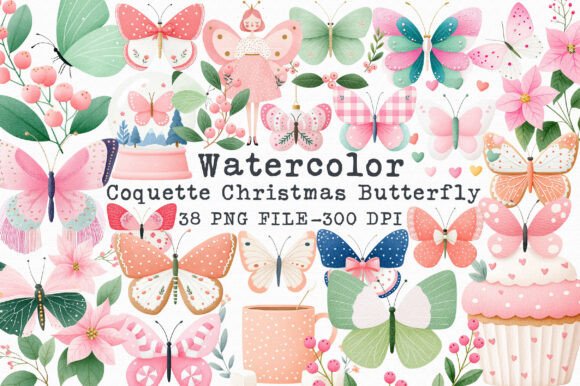
When you first encounter the Coquette Christmas Butterfly Clipart, the immediate takeaway is its distinct aesthetic direction. It does not scream generic holiday cheer. Instead, it whispers elegance, nostalgia, and a touch of whimsical femininity. The "coquette" style—characterized by soft pastels, delicate bows, ribbons, and romantic motifs—creates an editorial mood that is inherently lifestyle-focused and artistic.
For publishers, this distinction matters. This asset naturally supports niches such as fashion, beauty, home decor, motherhood, wedding planning, and creative entrepreneurship. It feels playful yet refined, avoiding the cluttered look of traditional clipart. If your brand relies on a clean, modern design language but wants to inject seasonal warmth without sacrificing professionalism, these illustrations offer a sophisticated alternative to stock photography. They signal to the reader that the content behind them is curated, thoughtful, and designed with care.
Real-World Publishing Applications
A design asset is only as good as its versatility in production. In my testing, I integrated these butterfly illustrations into various stages of a typical content publishing workflow. Here is where they shine:
- Pinterest Pins and Social Media Graphics: Pinterest is a visual search engine, and click-through rates depend heavily on thumbnail appeal. These clips add a layer of intrigue and softness that stands out in crowded feeds. When paired with bold typography, they create a strong visual hierarchy that draws the eye immediately.
- Blog Featured Images and Headers: Using these as accents on hero images can break up large blocks of white space. They work exceptionally well as corner decorations or subtle overlays, adding depth without obscuring the main headline.
- Digital Guides and Lead Magnets: For those creating downloadable resources, worksheets, or eBooks, these illustrations elevate the perceived value of the product. A cover page featuring elegant butterflies suggests a premium experience, which is vital for affiliate marketing funnels and email list growth.
- Newsletter Design: Email open rates are influenced by subject line visuals and preview text. Incorporating these assets into banner headers or section dividers within your weekly newsletter reinforces small business branding and keeps subscribers engaged through consistent visual storytelling.
- Category Thumbnails: On archive pages, unique icons help users navigate your site faster. Replacing generic folder icons with thematic butterfly variations helps establish a stronger brand identity and improves user experience (UX).
Enhancing Content Performance Through Visuals
Why invest time in sourcing high-quality creative design elements? The answer lies in reader psychology. When a website looks polished, readers subconsciously assign higher credibility to the information presented. By using cohesive illustrations like the Coquette Christmas set, you achieve several key performance metrics:
- Stronger First Impression: Visitors decide within seconds whether to stay or leave. A cohesive visual theme reduces cognitive load and makes the site feel trustworthy.
- Better Click-Through Potential: On social platforms, distinctive graphics differentiate your content from competitors. A well-designed pin with these butterflies is more likely to be saved and clicked.
- Improved Reader Trust: Consistency in style signals professionalism. It shows that you care about the details, which translates to confidence in your advice or products.
- Clearer Visual Hierarchy: Strategic placement of these assets guides the reader’s eye toward calls-to-action (CTAs) and important links, subtly influencing conversion paths.
Strategic Placement and Best Practices
To maximize the impact of these illustrations, you must place them strategically. They excel as editorial accents in web design. Consider using them in the margins of long-form articles to keep readers scrolling, or as decorative elements around quotes and pull-out text. They are also perfect for printable design projects, such as holiday planners or greeting cards included as bonuses for customers.
However, not every use case is suitable. There are specific contexts where this asset should be used carefully or avoided entirely:
- Small Mobile Thumbnails: At very small sizes, intricate details like ribbon textures may blur or become indistinguishable. Always test these at 100x100 pixels to ensure clarity.
- Text-Heavy Blog Images: Avoid placing these over dense paragraphs of text. They compete for attention rather than supporting readability.
- Low-Contrast Backgrounds: If your background is light pink or cream, dark pastel butterflies may disappear. Ensure sufficient contrast between the asset and its backdrop.
- Serious Professional Niches: While versatile, the "coquette" style may feel too informal for corporate law, financial consulting, or serious medical advice sites. In these cases, a minimal visual system is preferred.
Practical Publisher Notes for Implementation
Before dropping these assets into your final designs, follow this technical checklist to ensure professional results:
Test Across Devices: Preview your designs on both desktop and mobile screens. How does the butterfly look next to a headline on a smartphone? Does it disrupt the flow of text?
Font Pairing: Experiment with typography. These illustrations pair beautifully with serif fonts for a classic editorial look, or script/handwritten fonts for a personal touch. However, avoid pairing them with overly rigid display fonts unless you are aiming for a specific retro contrast.
Contrast and Readability: Use tools to check color contrast ratios. Your text must remain legible regardless of the decorative element behind it. If necessary, add a semi-transparent overlay behind text areas.
File Size Optimization: Web performance is a ranking factor. Compress your PNG or JPEG files properly. Large, uncompressed images slow down load times, hurting your SEO and user experience. Aim for file sizes under 100KB where possible.
Licensing Verification: This is non-negotiable. Confirm the commercial license terms before using these assets on monetized websites, affiliate pages, or paid content products. Ensure you have the right to use them in digital downloads and print-on-demand items if applicable.
Final Verdict for Digital Publishers
The Coquette Christmas Butterfly Clipart is a valuable addition to any publisher’s library of design assets. It offers a unique blend of seasonal charm and editorial sophistication that can significantly upgrade the aesthetic of your content marketing efforts. From Canva templates to full-scale website redesigns, these illustrations provide the polish needed to compete in a crowded digital landscape.
For bloggers and designers seeking to enhance their editorial design without compromising on brand integrity, this asset delivers. It supports a narrative of care, creativity, and attention to detail—qualities that resonate deeply with modern audiences. By integrating these illustrations thoughtfully into your content publishing workflow, you create a more immersive, trustworthy, and visually compelling experience for your readers.