Coquette Pink Christmas Tree Me: Embroidery Review
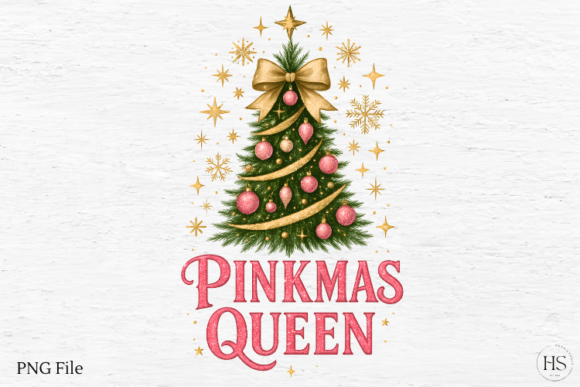
As a designer who spends half my life staring at stitch charts and the other half arguing with embroidery machines, I don’t just look at a design file; I look at how it will survive the hoop. When Colorful Coquette Pink Christmas Tree Me landed on my desk, my first instinct was to check the density and the layout. It is not just another holiday graphic slapped onto a digital canvas. It is an illustrations piece that demands specific attention to detail if you want it to translate from screen to fabric without losing its soul.
The "coquette" aesthetic has taken over the handmade market, but few designs balance the playful, feminine vibe with actual structural integrity for stitching. This design creates an immediate mood of nostalgic warmth mixed with modern trendiness. The visual personality is distinct—soft, romantic, yet structured enough to hold up in a commercial setting. For those of us creating custom apparel, personalized gifts, or boutique inventory, understanding this balance is everything.
First Impressions and Visual Personality
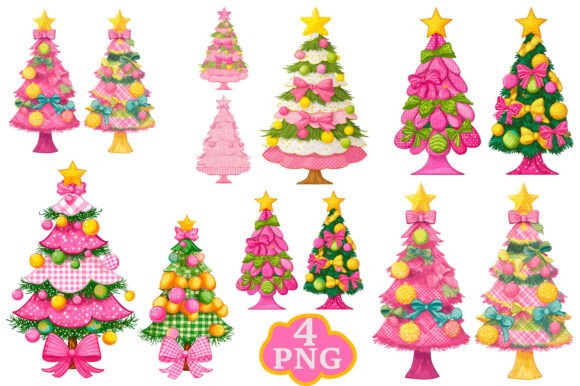
The moment you open the file, the composition speaks to you. The central motif—a Christmas tree rendered through the lens of the coquette trend—uses soft pinks, delicate bows, and perhaps some whimsical typography or character elements implied by the title "Me." It feels personal. It feels like a statement piece rather than a generic background pattern.
In terms of layout, the design avoids the cluttered look that plagues many holiday files. There is breathing room. This is crucial for embroidery designers because it allows the eye to rest and appreciate the individual elements. The shape is organic but contained, making it versatile for various product placements. Whether you are planning to stitch this on the chest of a sweatshirt or centered on a tote bag, the proportions feel balanced. It doesn’t scream for attention; it invites the viewer in. That subtle confidence is what separates a hobbyist clip-art job from a professional machine embroidery design.
Real-World Application: From Screen to Stitch
I recently tested this concept on a series of mockups to see where it truly shines. The results were telling. Colorful Coquette Pink Christmas Tree Me performs exceptionally well on items that benefit from a soft, textured finish. Here is where I see the highest potential for sales and customer satisfaction:
- Holiday Apparel: On a cream or blush-colored sweatshirt, the pink tones pop without being overwhelming. It works beautifully as a chest-sized logo or a larger back print for a trendy streetwear look.
- Baby and Nursery Items: The gentle color palette makes this ideal for baby onesies, burp cloths, or nursery wall hangings. Parents are looking for items that are cute but not garish, and this design hits that sweet spot perfectly.
- Home Decor: Imagine this stitched onto a linen tea towel or a velvet pillow cover. The contrast between the smooth satin stitches (if used) and the textured fabric adds a layer of luxury that elevates the handmade product.
- Accessories: A tote bag design featuring this artwork becomes an instant conversation starter. It also translates well to caps and hats, provided the curve of the front panel is accounted for during digitizing.
For Etsy sellers and small shop owners, this design offers high perceived value. It feels curated. When a customer sees a finished product with this level of thematic consistency, they trust the maker more. It signals that you understand current trends but execute them with technical skill.
Technical Considerations and Stitch Quality
Let’s talk about the mechanics. No matter how beautiful the illustration is, if the stitch density is off, the result will be puckered or messy. In reviewing the structure of Colorful Coquette Pink Christmas Tree Me, several key areas require careful monitoring.
The use of satin stitch for outlines and bow details is likely prominent. Satin stitches must be kept within reasonable widths to prevent thread breaking and to ensure a crisp edge. If the digitizer has allowed the satin columns to get too wide, the design will look bulky and lose its delicate charm. Conversely, fill stitch areas need to be checked for proper underlay. Without a solid underlay, the fill can shift, especially on knit fabrics like t-shirts or hoodies.
Pay close attention to the running stitch elements. These are often used for fine details like text or decorative lines. They must be short enough to maintain clarity but long enough to avoid excessive trimming time. If the design includes tiny lettering or intricate bow ties, test these on scrap fabric first. You want to ensure that the thread colors provide enough contrast against the base fabric. On light fabrics, white or pale pink threads might get lost; on dark fabrics, you’ll need a heavy backing stabilizer to prevent show-through.
Where to Use Caution
While this design is versatile, it is not a one-size-fits-all solution. There are specific scenarios where Colorful Coquette Pink Christmas Tree Me might struggle:
- Small Hoop Sizes: If you attempt to downsize this significantly, you risk losing the finer details. The bows and small graphical elements may merge into a blurry blob. Stick to medium to large hoops for best results.
- Textured or Stretchy Fabrics: While it works on knits, highly textured fabrics like bouclé or thick chenille can obscure the design. The needle may struggle to penetrate consistently, leading to skipped stitches. Always use the correct stabilizer—cut-away for stretchy items, tear-away for wovens—to manage tension.
- Dense Stitch Areas: Avoid placing this design on products that require frequent washing and heavy wear if the stitch density is high. Over time, dense embroidery can fray or pull, especially if the garment is machine-washed aggressively.
- Curved Surfaces: When applying to caps or sleeves, ensure the design is adjusted for curvature. A flat design applied to a curved surface without proper digitizing adjustments will look distorted.
Practical Designer Notes for Success
To get the most out of this embroidery project, follow these practical steps before committing to your final product:
- Test on Scrap Fabric: Never go straight to the final item. Stitch the design on the same type of fabric you plan to sell. This reveals issues with puckering, thread tension, and color contrast immediately.
- Check Black and White Mockups: Convert your digital preview to black and white. This helps you assess the tonal value and contrast of the design independent of color. If the shapes don’t read clearly in grayscale, they might lack definition in embroidery.
- Inspect Small Details: Zoom in on the digitizing. Are the jumps trimmed? Are the start and end points hidden? Professionalism lies in the cleanup.
- Confirm Licensing: Before listing this as a commercial embroidery item or selling digital downloads, double-check the license terms. Ensure you have the right to produce and sell finished goods made from this digital embroidery file.
- Stabilizer Choice: Match your stabilizer to the fabric weight. Heavy fabrics need heavy support; light fabrics need lightweight backing to prevent bulk.
Final Verdict
Colorful Coquette Pink Christmas Tree Me is a strong contender for anyone looking to add a touch of trendy elegance to their holiday collection. It bridges the gap between whimsical illustration and functional embroidery design. Its visual appeal is high, its theme is timely, and its structure, when executed correctly, yields a premium-looking finished product.
For craft business owners, this design offers a great opportunity to create cohesive collections—matching sets of bags, shirts, and home decor that all tell the same story. It is not just a single image; it is a brand asset. With careful attention to stitch density, fabric choice, and stabilization, this design can become a standout seller in any small shop product lineup. Just remember: the magic happens in the preparation. Test thoroughly, stitch confidently, and let the quality of your work speak for itself.