Handwriting Christmas Clipart Review
As a designer who spends more time looking at stitch lines than actual fabric, I have developed a specific set of criteria for evaluating any new asset before it ever touches my embroidery machine. When I first pulled up Handwriting Christmas Clipart, I wasn’t just looking for a pretty image; I was looking for viability. Would this hold up in a hoop? Would it translate well into thread? And most importantly, would it sell as part of a finished product?
This is not just another festive graphic. It is an Illustrations category asset that carries a distinct personality. In a market saturated with rigid, vector-style holiday fonts and overly complex scenes, there is a genuine hunger for something that feels human, slightly imperfect, and deeply personal. My review focuses on how this design performs in real-world scenarios, from custom apparel to boutique merchandise.
The First Impression: Mood and Visual Personality
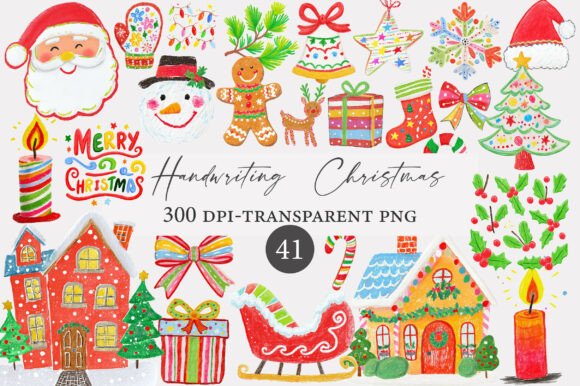
The immediate appeal of Handwriting Christmas Clipart lies in its approachability. Unlike the stark, corporate feel of many digital assets, this design evokes the warmth of a letter written by hand decades ago. The visual personality is nostalgic yet fresh enough for modern craft business trends. It creates a mood that is cozy, intimate, and celebratory without being loud or aggressive.
For designers working on personalized gift items, this emotional resonance is critical. Customers are not just buying a stitched object; they are buying a feeling. This clipart delivers that sentiment instantly. The shapes and layout suggest a casual elegance, making it suitable for a wide range of applications where you want to avoid the "cheap" look often associated with mass-produced holiday decor.
Real-World Application: From Screen to Stitch
I recently tested this concept while preparing a batch of custom embroidered tote bags for a local holiday pop-up. The goal was to create a handmade product that felt artisanal rather than factory-made. Using Handwriting Christmas Clipart allowed me to bridge that gap perfectly. The design translates beautifully onto canvas and cotton blends, which are staples for tote bag design projects.
However, the versatility extends far beyond bags. Here is how I see this asset performing across different embroidery project types:
- Sweatshirt Embroidery: The relaxed nature of the handwriting style pairs exceptionally well with the soft texture of fleece or French terry. It adds a touch of whimsy to custom apparel without overwhelming the garment’s natural drape.
- Baby Embroidery: For onesies and burp cloths, the gentle curves and legible forms of the clipart are ideal. Parents love personalized items that feel safe and tender. This design avoids sharp angles that might visually clash with the softness of baby gear.
- Kitchen Textiles: Tea towels and aprons benefit from the rustic charm of handwritten text. It fits the narrative of home cooking and holiday baking, making it a strong candidate for commercial embroidery lines targeting home goods.
- Embroidered Patch: When digitized as a patch, the clear outlines allow for clean applique or satin stitch borders. It creates a cohesive focal point for denim jackets or beanies.
For the Etsy seller or small shop product creator, this design offers high perceived value. It looks like a bespoke commission even when produced in batches. This is crucial for maintaining brand consistency and building customer trust in online marketplaces.
Technical Considerations and Stitch Clarity
While the aesthetic is strong, we must talk about execution. Not every digital embroidery file is created equal, and relying on the source image alone can lead to frustration. When evaluating Handwriting Christmas Clipart for stitching, several technical factors come into play.
Stitch Density and Detail: Handwritten styles often contain fine lines and varying thicknesses. If the underlying digitization does not manage stitch density properly, these details can pucker or become muddy. You need to ensure that the satin stitch edges are crisp and that the fill stitch areas (if applicable) lay flat. A good rule of thumb is to inspect the design in a black-and-white mockup to check contrast and balance before committing to expensive threads.
Fabric Texture Compatibility: This design shines on smooth to medium-texture fabrics. On heavily textured materials like chunky knits or rough burlap, the finer details of the handwriting may get lost. Conversely, on very thin or stretchy fabrics, the stabilizer choice becomes paramount. Without proper support, the tension required for clear lettering can distort the fabric, ruining the finished product.
Thread Colors: The success of this clipart hinges on color selection. Because it mimics ink, it relies on strong contrast against the background. On dark fabrics, light metallic or pastel threads can work beautifully to create a shimmering effect, but you must test them first. On light fabrics, deep reds, forest greens, or classic blacks provide the necessary definition. Always check thread colors under the lighting conditions where the final item will be viewed.
Where to Use With Caution
There are specific scenarios where Handwriting Christmas Clipart requires careful handling:
- Small Hoop Sizes: If you attempt to stitch this in a tiny hoop (under 4x4 inches), the fine details may merge into indistinguishable blobs. Ensure your hoop size allows for adequate spacing between elements.
- Curved Surfaces: Applying this to caps or curved sleeves can distort the handwriting, making it hard to read. Flat surfaces like pillow covers or flat-fronted aprons are safer bets.
- Dense Stitch Areas: Avoid placing this design directly over other heavy embroidery elements. The visual noise can overwhelm the viewer. Let the handwriting breathe as the focal point.
- Frequent Washing: For items like kitchen towels or baby clothes that undergo rigorous laundering, ensure the digitization includes sufficient tack stitches and underlay to prevent thread breakage or peeling over time.
Designer’s Checklist Before Production
Before adding Handwriting Christmas Clipart to your commercial catalog, I recommend running through this practical checklist. It saves time, reduces waste, and protects your reputation as a professional maker.
- Test on Scrap Fabric: Never go straight to the final product. Stitch the design on a scrap piece of the same fabric type to check for puckering, thread tension, and color accuracy.
- Review Stabilizer Needs: Determine if a cut-away or tear-away stabilizer is best suited for the fabric weight. Improper stabilization is the number one cause of failed embroidery files.
- Check Licensing: This is non-negotiable. Confirm whether the design assets permit commercial use for finished goods. Some Illustrations are for personal use only, and violating these terms can lead to serious legal issues.
- Inspect Small Details: Zoom in on the digitized version. Are the corners of the letters sharp? Is the spacing consistent? If the original clipart has irregularities, decide if those should be preserved for authenticity or corrected for clarity.
- Create Printable Mockups: Before investing in materials, generate a printable mockup to visualize how the design sits on the actual product. This helps in marketing and gives customers a realistic preview.
Final Verdict
Handwriting Christmas Clipart is a versatile, emotionally resonant asset that serves both hobbyists and professional embroidery designers well. Its strength lies in its ability to convey warmth and personal connection, qualities that are increasingly valued in the handmade market. When digitized correctly and applied to appropriate fabrics, it elevates simple items like tote bags, aprons, and apparel into cherished keepsakes.
It is particularly effective for holiday embroidery collections, where buyers are seeking items that feel special and thoughtful. By paying attention to stitch density, fabric choice, and licensing, you can leverage this design to create high-quality custom apparel and personalized gifts that stand out in a crowded marketplace. It is a smart addition to any creative entrepreneur’s toolkit, offering a blend of aesthetic charm and practical utility.